
Funding Liquor Store Expansion with Merchant Cash Advances
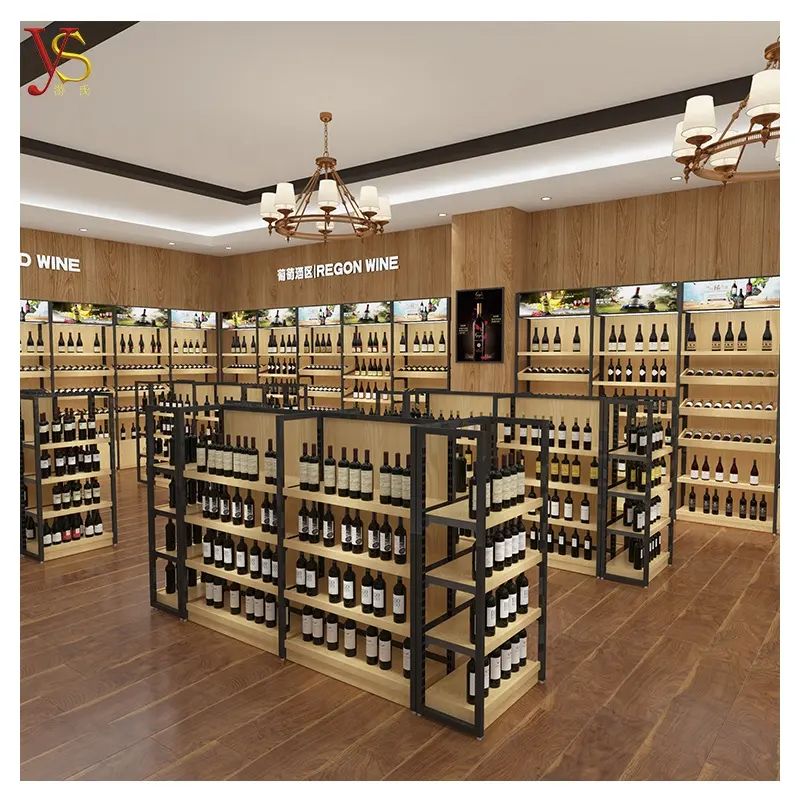
Funding a Liquor Store Expansion with Merchant Cash Advances
You've conquered your first liquor store. The regulars know you by name. Your craft beer selection is the envy of the neighborhood. Your wine displays stop traffic. Revenue has been on an upward trajectory for three years and you're finally turning a healthy profit.
Then you see it: the perfect second location. Prime corner location, great demographics, reasonable rent. The landlord needs an answer by Friday. Your distributor relationships are in good shape and you know exactly how to replicate your success.
There's just one tiny problem: you need $75,000 for inventory, fixtures, permits, and opening costs. And you need it in the next three weeks - not three months.
Welcome to the liquor store expansion dilemma, where opportunity knocks but traditional financing moves at the pace of molasses. That's where Merchant Cash Advances shine: turning missed opportunities into second locations and single-store owners into multi-unit operators.
Why Is the Liquor Store Expansion Different?
- Liquor stores have a different expansion profile. Unlike restaurants, where you start from scratch, or retail, where you try new concepts, expanding a liquor store is beautifully straightforward.
- You know what sells. You've already established your relationships with suppliers. You understand the licensing process. Your inventory management systems work. You're not experimenting. You're replicating a proven formula in a new location.
- But here's the catch: liquor stores are inventory-intensive businesses. That beautiful stock on your shelves? It represents $40,000 to $80,000 in upfront capital before you sell a single bottle.
- Traditional lenders view liquor stores as higher risks due to licensing complexity and regulatory scrutiny. Getting approved takes forever, requires a lot of documentation, and often demands collateral you don't have.
- What the merchant cash advance companies see are businesses with huge volumes of daily credit card processing with proven track records; that is the difference that means everything.
The MCA Advantage for Liquor Store Expansion
Speed that captures opportunity
- Real estate waits for no one. That perfect location you've spotted? Three other potential tenants are looking at it too. The landlord isn't holding it for 90 days while your bank application crawls through underwriting.
- MCAs fund in 5-7 days: You can tour a space on Monday, apply for funding on Tuesday, get approved by Thursday, sign the lease on Friday, and start build-out next week.
- This speed advantage translates to your actually getting the locations you want, rather than settling for whatever's left after months of waiting.
Your Existing Success Funds Your Growth
Here's the beautiful part: your successful first location is your ticket to expansion. Those $40,000 monthly card sales from Store #1 prove you know how to run a profitable liquor store.
- The MCA providers look at your existing performance and think, “This owner already proved the concept. Giving them capital to replicate success is low risk.”
- Your track record becomes your qualification. You won't have to convince a bank loan officer why the second liquor store will work. The numbers from your first store will tell that story.
The Real Numbers: How Expansion Actually Works
Let's walk through realistic math for opening your second location.
Startup Costs:
- Beginning inventory: $45,000
- Shelving and fixtures: $12,000
- Refrigeration: $8,000
- POS system: $3,000
- Licensing and permits: $5,000
- Opening marketing: $2,000
- Total: $75,000
MCA Terms:
- Advance amount: $75,000
- Factor rate: 1.28
- Total repayment: $96,000
- Financing cost: $21,000
Location Revenue Projections:
- Month 1-3 (ramp-up): $35,000 monthly average
- Month 4-6 (established): $55,000 per month average
- Month 7+: $65,000+ monthly average
With healthy liquor store margins of 25-30%, your second location makes enough profit to handle MCA repayments while still growing the business as a whole.
Location pays back the MCA completely by month 12 and continues to generate a $15,000+ monthly profit. That's pure growth capital for location.
Strategic Expansion Uses Beyond Inventory
Forward-thinking liquor store owners use MCAs for comprehensive expansion packages that include the following:
- Market Entry Strategy: Not just stocking the shelves, but rather using MCA funds for research about what sells locally and stocking accordingly. Craft beer neighborhood? Heavy craft selection. Wine-sophisticated area? Premium wine focus. Location to location, each is optimized for its very specific market.
- Competitive Positioning: In using capital to create distinctive experiences, the differentiators will be the Extensive Tasting Bar, Climate-controlled Wine Room, and Rare Spirits Collection that will justify premium positioning and attract high-value customers.
- Technology Integration: Modern POS systems allow inventory syncing across locations, loyalty programs that work across both stores, and online ordering where customers can pick up merchandise. These investments create competitive moats.
- Marketing Launch: Opening a second location isn't just about unlocking doors; it's about announcing your arrival. Grand opening events, local advertising, influencer partnerships-proper launches create momentum that accelerates your ramp-up period.
The Multi-Location Cash Flow Advantage
That's where the expansion gets interesting: two locations create financial synergy that one location never could.
- Buying Power: You're suddenly ordering in larger volumes. Distributors give you better pricing. Those improved margins flow directly to your bottom line.
- Operational efficiency: You're spreading your overhead between two locations. Your accounting, marketing, and management time does double duty.
- Risk Distribution: Slow week at Location #1? Location #2 could be crushing it. Geographic diversity smooths out your revenue fluctuations.
- MCA Repayment Flexibility: Your MCA repayment pulls from combined card sales across both locations. Store established revenue helps to cover repayment while the Store ramps up.
Avoiding Expansion Mistakes
Not all growth opportunities warrant funding under MCA. Watch out for the following red flags:
- Cannibalizing Your First Location: Opening two miles from your existing store might just split your existing customer base rather than grow it.
- Unproven Markets: That place is cheap for a reason. Make sure actual demand exists, not just your optimistic projections.
- Overextending Management: Can you really manage two locations? Do you have trustworthy managers? Your attention divided poorly is worse than it focused on one successful store.
- Ignoring Regulations: Liquor licensing is very different and depends on the locality. Make sure to understand the local requirements of liquor licensing before committing expansion.
The Strategic Timeline
The smartest liquor store expansions follow a rhythm:
- Months 1-3: Location secured, licensing obtained, build-out complete. MCA funds cover all upfront costs without touching the working capital of the existing store.
- Months 4-6: Grand opening and ramp up. Your first location is profitable and stable. Repayment from MCA pulls from combined sales.
- Months 7-12: New location hits stride. Combined profitability exceeds pre-expansion levels. MCA nearly repaid.
- Month 13+: The second location is up, established, and profitable. MCA is repaid. You are now considering location #3 with even stronger financials.
The Empire Building Path
Here's what successful multi-location liquor store owners understand: each location doesn't just add revenue, it multiplies your options. Two locations create buying power. Three locations justify dedicated management. Four locations support centralized warehousing. Five locations attract premium supplier relationships. MCAs provide the fuel for this growth trajectory. Every successful expansion proves your concept further, making the next expansion even easier to finance.
The Bottom Line
Among the smartest uses for a merchant cash advance is liquor store expansion. You are not funding an experiment; you are replicating proven success in new markets with capital that arrives fast enough to capture real opportunities. MCAs do cost more than bank loans. Bank loans that come in after you have lost the perfect location cost infinitely more in terms of lost opportunity. Your first liquor store proved you can do this.
An MCA ensures that capital never stops you from doing it again. And again. And again. That second location you're eyeing? It's not a dream. It's a decision. The capital exists. The opportunity exists. The only question is, will you move fast enough to capture it? Build your empire one location at a time, fueled by the success you've already created. That's the Merchant Cash Advance advantage in expanding your liquor store. The corner spot won't wait, but the financing can arrive in time. That makes all the difference.