
Managing Seasonal Fluctuations in Liquor Sales With Merchant Cash Advance
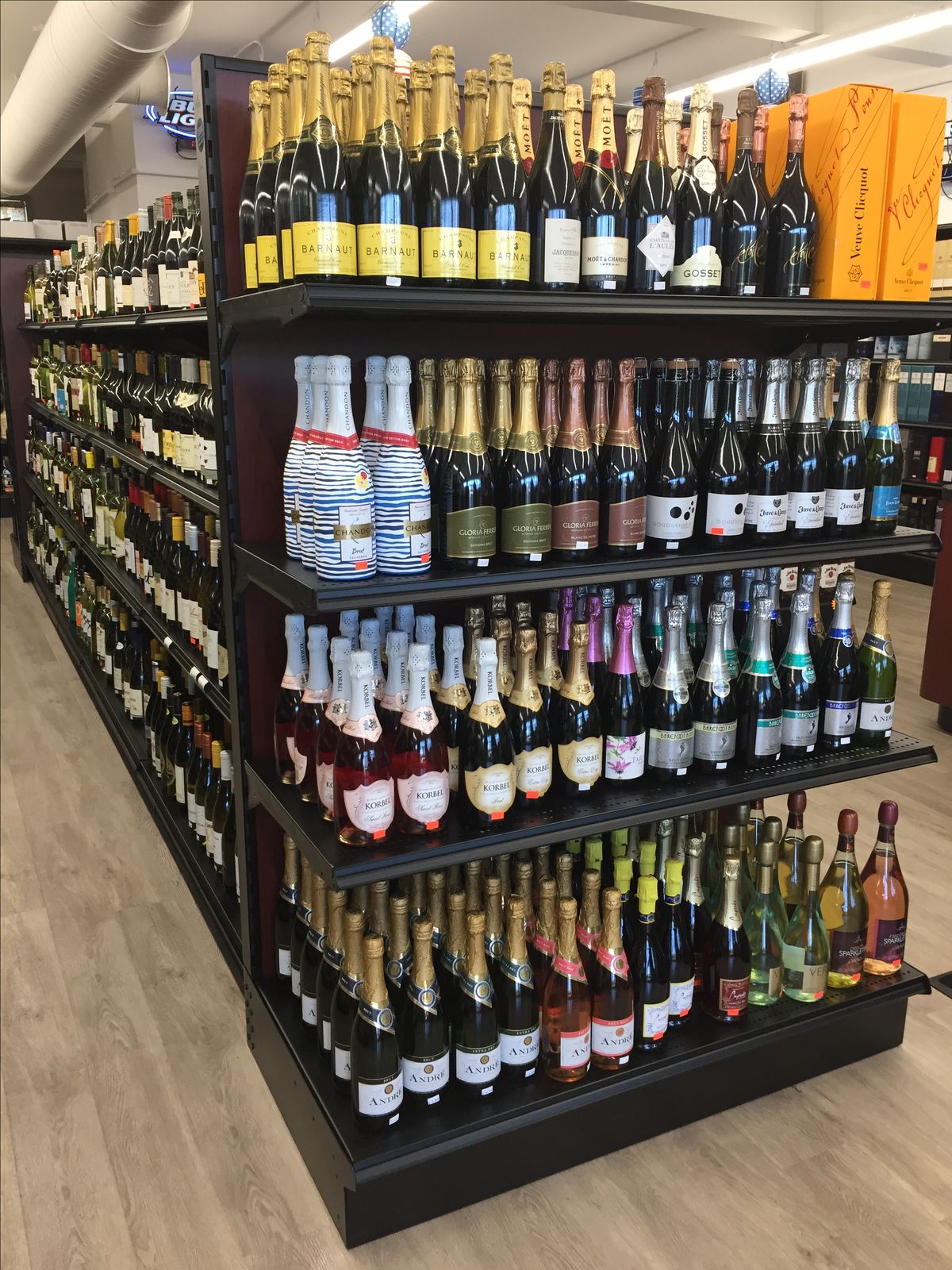
Managing Seasonal Fluctuations in Liquor Sales With Merchant Cash Advance
Your liquor store follows a predictable, though brutal, seasonal rhythm.
- November through January? Absolute madness. Holiday parties, New Year's celebrations, family gatherings. You can barely keep premium spirits on the shelves. Revenue's up 200-300% above normal.
- February through September? Steady baseline. Good margins, same customers mostly, reasonable stress.
- October? Another surge when people are stocking up for Halloween parties and autumnal gatherings.
The challenge isn't the revenue, it's the working capital needed to capitalize on seasonal peaks while surviving seasonal valleys.
Managing Seasonal Fluctuations in Liquor Sales With Merchant Cash Advance
And that's where Merchant Cash Advances fit in to be a game-changer for liquor store owners who know how to strategically use them.
The Seasonal Liquor Business Reality
Most retailers don't see the swings in revenue that liquor stores do. Grocery stores are steady throughout the year. Pharmacies have rather predictable patterns. But liquor retail? It's feast or famine.
The Months of Feasting (November-January, October):
- Revenue peaks at $150,000-$300,000 a month. The margins are great: customers purchase premium bottles, gift sets, and expensive wines.
- But capitalizing on this requires inventory investment upfront. You would want premium stock before customers start coming in to shop, not after they have cleared your shelves.
The Famine Months (February-September):
Revenue falls 40-50% from the peak. Margins stay decent but volume is lower. Cash flow stabilizes but does not surge.
The Cash Flow Problem:
This means, in order to maximize peak season revenues, you would need inventory purchased 2-3 months earlier. But if you've depleted cash reserves during the prior slow season, you can't afford that inventory investment.
You are stuck between two bad choices
- Invest aggressively in inventories, risking cash flow difficulties during the slow months.
- Save cash in the off season, and forgo peak-season opportunities
This is where MCAs solve a problem specific to seasonal liquor retail.
How MCAs Bridge Your Seasonal Gap?
The strategic magic here is: Use the Merchant Cash Advance to finance inventory purchases 2-3 months before peak season, then repay during the peak season when revenues surge.
Real Example: Premium Wine for Holiday Season
It's August, and you know November and December will be huge months for premium wines. You need $40,000 in inventory investment to capitalize fully.
Option 1 (Traditional): Wait for bank approval, 6-8 weeks; miss peak season window for best inventory selection and pricing.
Option 2-MCA: Get approved in 48 hours, buy inventory immediately; repay during November-December peak season when revenues are at their highest.
Here's the financial reality:
You borrow $40,000. Factor rate 1.25. Total repayment: $50,000. Cost: $10,000.
But that $40,000 inventory investment during peak season generates:
- Direct profit margin: $12,000-$16,000
- Plus increased store traffic driving additional sales: $5,000-$8,000
- Plus customer loyalty from having premium stock others don't have: Ongoing benefit
Net result: You've invested $10,000 in MCA costs but generated $20,000+ in additional profit during peak season.
The Seasonal Payment Advantage
What makes MCAs particularly elegant for liquor stores, however, is daily repayment based on card sales.
Assuming your peak season is November to December and when the daily card sales could reach $12,000-15,000 daily:
- Daily payment at 10% holdback: $1,200-$1,500/day
- You have the cash to cover this easily
- Repayment happens quickly
During the off-season, which is February to September, wherein daily sales may reach $4,000-$6,000:
- Daily payment automatically drops to $400-$600/day
- Much more manageable
- You are not strangled by payments during cash-tight months.
Automatic adjustment is impossible with traditional bank loans; one pays a fixed amount irrespective of revenue.
Three Strategic Uses for Liquor Store MCAs
Strategy 1: Investing in Premium Inventory before Peak Season
Borrow 2-3 months before peak season specifically to buy premium spirits, wines, and gift sets that drive margin, and repay during the peak season surge.
Strategy 2: Seasonal staffing and marketing
Borrow in September to increase staffing and start holiday marketing before the November rush, then repay from November-December revenue surge.
Strategy 3: Refresh of Equipment and Displays
Use MCAs to refresh displays, upgrade coolers, or enhance point-of-sale systems ahead of peak season. Better presentation means higher margins in peak periods.
The Seasonal Negotiation Advantage
Liquor stores that have clear seasonal patterns have negotiating leverage with MCA providers.
Suggest the following: "Higher holdback during peak months, lower during slow months."
Example:
- November-December: 15% holdback (you can afford premium payments from premium revenue)
- January-March: 8% holdback - giving you breathing room
- April-October: 10% holdback (standard rate)
Providers accept seasonal structures because:
- They get paid faster during your high-revenue months.
- You're less likely to default during slow months
- It shows sophisticated financial planning.
- It actually speeds up overall repayment.
The Strategic Principle
The key to managing seasonal fluctuations with MCAs isn't just survival; rather, it's deploying capital strategically.
You are not borrowing to tide yourself over during slow months, you borrow to maximize profitability during peak months, which you then repay with revenue from peak season.
This converts MCAs from "emergency financing" into "strategic capital investment."
Making It Work
Seasonal liquor store owners who are successful with MCAs:
- Plan ahead: Identify peak season needs 3-4 months in advance
- Document their seasonal pattern (show providers your revenue rhythm)
- Propose structured seasonal terms - not just "I need flexibility"
- Repay aggressively during peak season-clear debt before slow season hits
- Reinvest the freed-up capital in the next cycle.
The result? They don't just survive seasonal fluctuations, they profit from them.
Because, quite unlike competitors restricted by cash flow, they have the capital to capitalize when opportunity peaks.
That's the seasonal liquor retailer's advantage.